

Recently, Contemporary Chinese Performing Arts Architecture (2000–2024), compiled by the China Entertainment Technology Association and published by Tsinghua University Press, has been officially sent to press. This professional work systematically reviews the development of performance architecture in contemporary China. Grounded in rigorous academic perspectives, it provides an authoritative account of the industry's evolution over the past two decades.
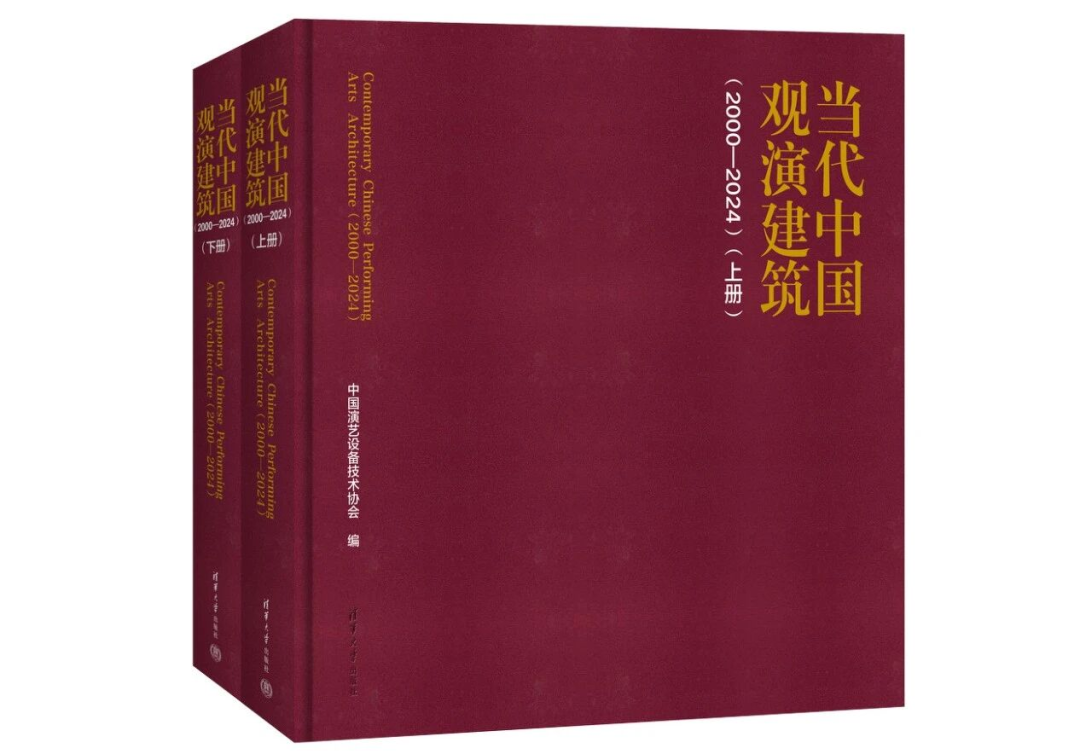
With more than 20 years of commitment to performance architecture, China IPPR International Engineering Co., Ltd. has grown alongside the development of China's cultural and performing arts venues, delivering dozens of landmark projects that combine functionality, artistry, and cultural significance. Through dedication, technological breakthroughs, and innovation in this field, several of the company's core projects have been selected for this authoritative publication. These projects serve as "IPPR models" of performance architecture standardization in the new era of technological advancement, and fully demonstrate the company's deep expertise, innovative exploration, and leading position in the cultural and performing arts architecture sector.
01 Mei Lanfang Theater
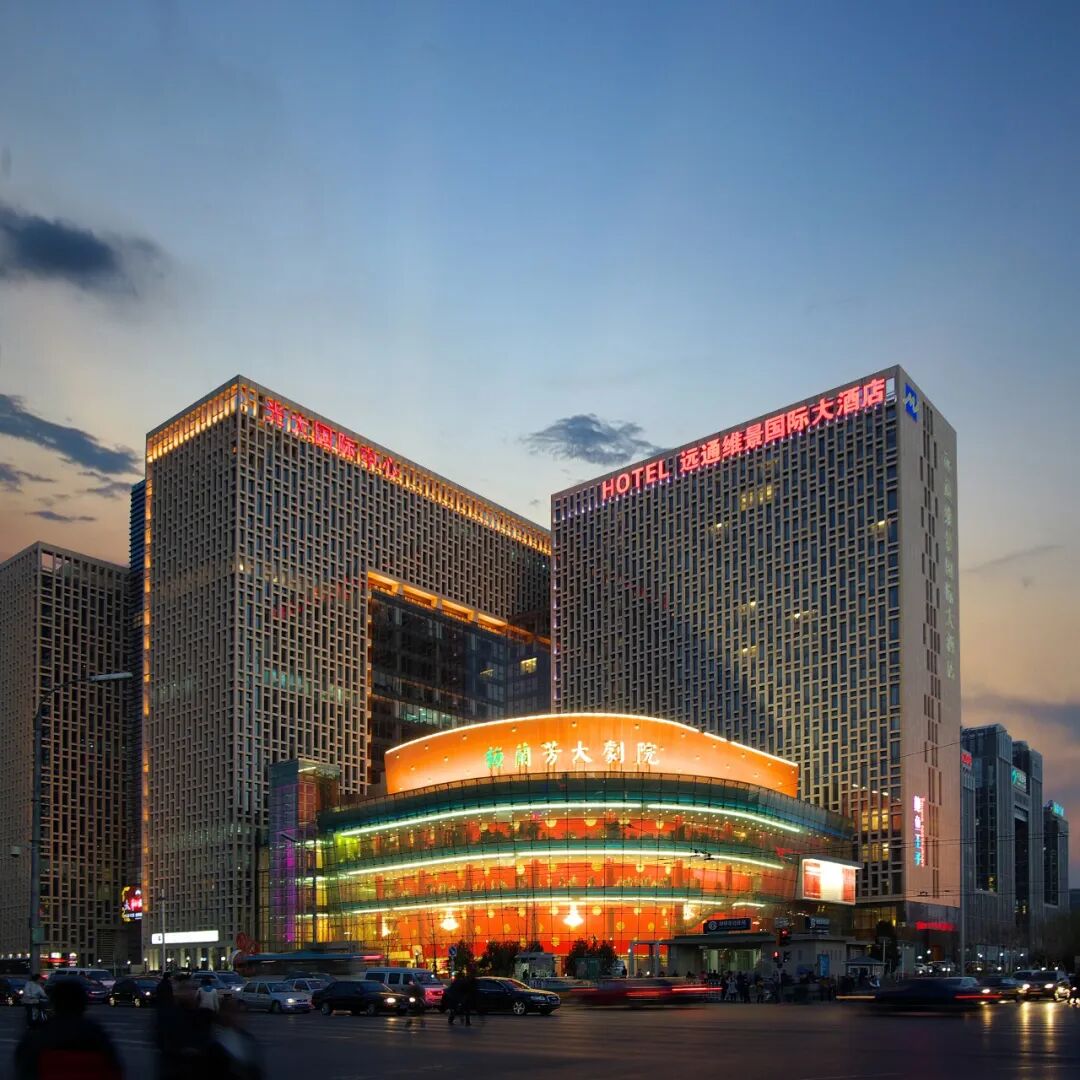
Project Location: Xicheng District, Beijing
Concept Design: China IPPR International Engineering Co., Ltd.
Engineering Design: China IPPR International Engineering Co., Ltd.
Design Time: 2003
Completion Time: 2007
Site Area: 21,811 m2
Total Building Area: 179,134 m2, including 13,000 m2 for the theater and 166,134 m2 for ancillary facilities
Main Functions: A 1,000-seat theater and supporting facilities
The design is guided by the concept and principle of "a modern architecture that carries traditional culture", treating the building as a "container" that embodies the essence of traditional culture. Emphasizing "presence through absence", the architectural expression highlights a deeper layer of traditional culture. Under this concept, the project was finished through collaboration among architects, artists, interior designers, and curtain wall specialists. As the first performance venue tailored to Peking Opera, the design places emphasis on the performance and viewing characteristics of the art form. It fundamentally reconfigures the conventional proscenium layout by integrating the real and false prosceniums into one structure, thereby freeing up space for the Peking Opera orchestra. A one-of-a-kind front-stage design enables small-scale theatrical performances within a large venue. In response to the close viewing distance typical of Peking Opera and domestic box office considerations, an entirely new auditorium was designed. Out of a prudent approach to innovation, a 1:1 model validation process was adopted for the first time in performing arts architecture design in China.
02 Shennong Grand Theater
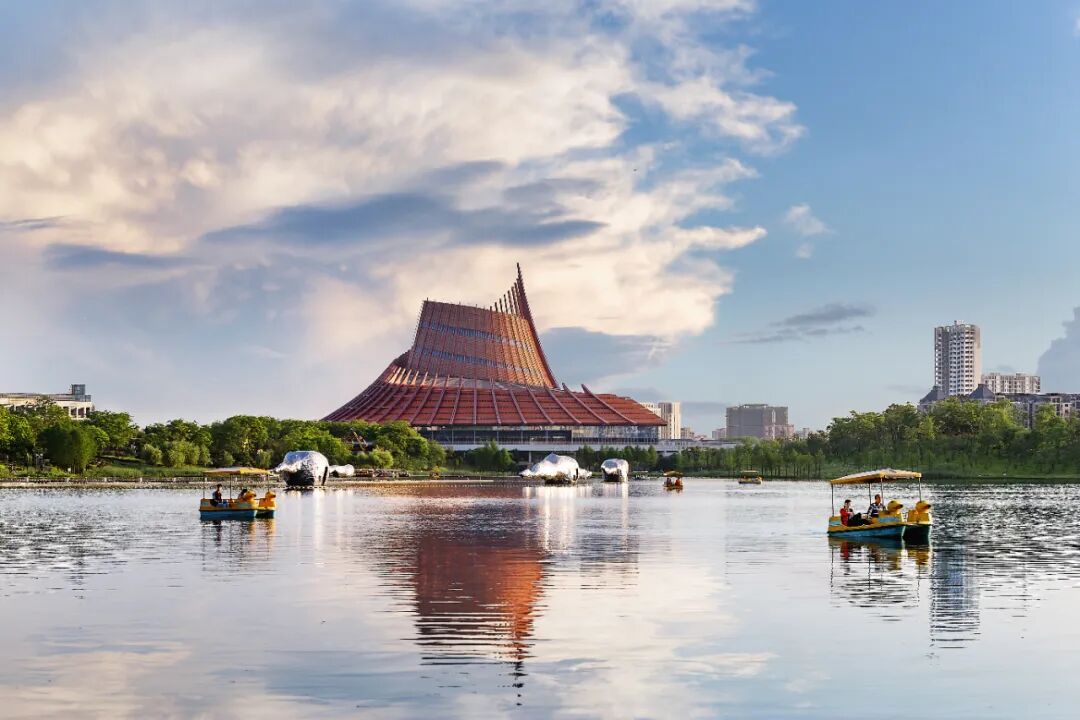
Project Location: Zhuzhou, Hunan Province
Concept Design: OTT/PPA Architects (Canada), China IPPR International Engineering Co., Ltd.?
Engineering Design: China IPPR International Engineering Co., Ltd.
Design Period: October 2010 – October 2012
Completion Time: June 2016
Site Area: 2.66 ha
Total Building Area: 45,991 m2, including 42,495 m2 above ground and 3,496 m2 underground
Main Functions: A 1,400-seat opera house, a 400-seat experimental theater, and supporting facilities
The design draws on the traditional Chinese philosophy of "conceiving imagery to convey meaning", taking the "Sacred Flame of Shennong" as its central motif. Through a highly iconic, spiraling, and non-homogeneous spatial form, the design transcends conventional planar configurations, creating a heterogeneous spatial experience of a "sacred altar". The vibrant?imagery of the sacred flame serves as a tribute and memorial to Shennong. Structurally, the project features an extremely complex shell-like system. It innovatively introduces a new type of spiral spatial steel truss arch-shell structure, marking the world's largest structure of its kind. The curtain wall system, with a maximum span exceeding 100 meters and a main structure of 18 meters, and the?52 35-m decorative frames, are all pioneering achievements in China.
03 Xishuangbanna International Resort Dai Show Theater
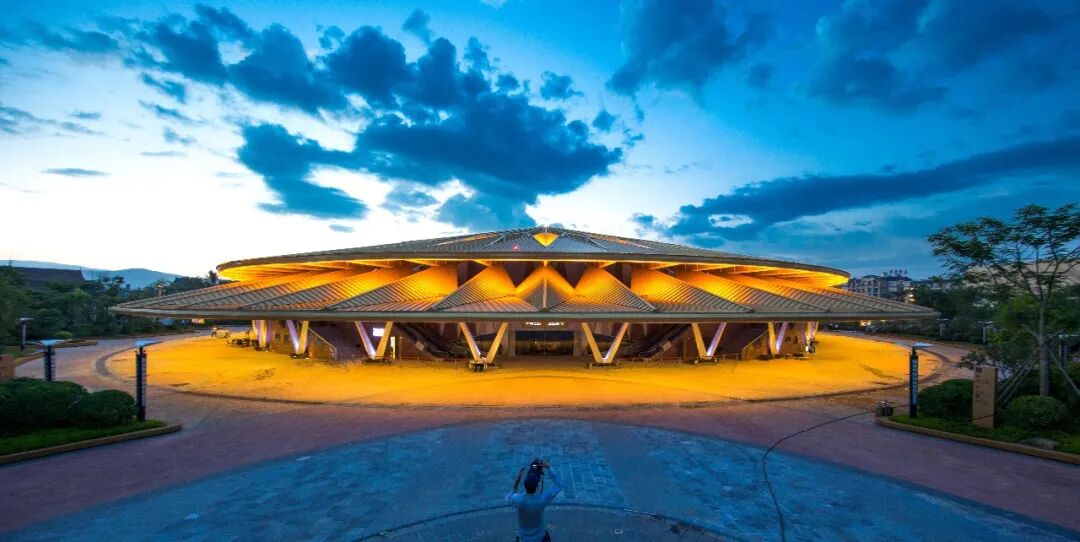
Project Location: Jinghong, Xishuangbanna Prefecture, Yunnan Province
Concept Design: STUFISH LIMITED (UK), China IPPR International Engineering Co., Ltd.
Engineering Design: China IPPR International Engineering Co., Ltd.
Design Period: May 2013 – June 2014
Completion Time: March 2015
Site Area: 70,279 m2
Total Building Area: 19,500 m2, including 13,700 m2 above ground and 5,800 m2 underground
Main Functions: A custom-built 1,183-seat performance theater and supporting facilities
The design integrates regional characteristics,?nature, and ethnic culture?with?architecture, while considering the building's impact on the city skyline and environment. Guided by performance art, the project adopts a bespoke design approach to create the viewing and performance space, achieving a contemporary interpretation of traditional local culture. The architectural concept is inspired by palm leaves in tropical rainforests. With the stage as the core, the structure unfolds outward through folding, interweaving, and radiating forms, ultimately creating a roof that appears to float above the site. Breaking away from conventional stages, the theater incorporates a land stage, a water stage, and an aerial stage, forming a three-dimensional performance space through advanced stage equipment and rigging systems. Combining regional characteristics with modern technology, the project features the world's largest bamboo hat roof (110 m in diameter) with a structural system that ranks among the world's best. The semi-open "grey space" created beneath the roof responds effectively to the local tropical monsoon climate. Through incorporating shading and ventilation designs into the roof, the project achieves a distinctive open-air theater foyer.
04 Xiamen Strait Grand Theater
Project Location: Xiamen, Fujian Province
Concept Design: IPPR (Xiamen) Engineering Design & Research Institute Co., Ltd.
Engineering Design: IPPR (Xiamen) Engineering Design & Research Institute Co., Ltd.
Design Time: December 2018
Completion Time: October 2019
Total Building Area: 45,305.278 m2 (entirely above ground)
Main Functions: An 8,108-seat multifunctional theater and conference facilities
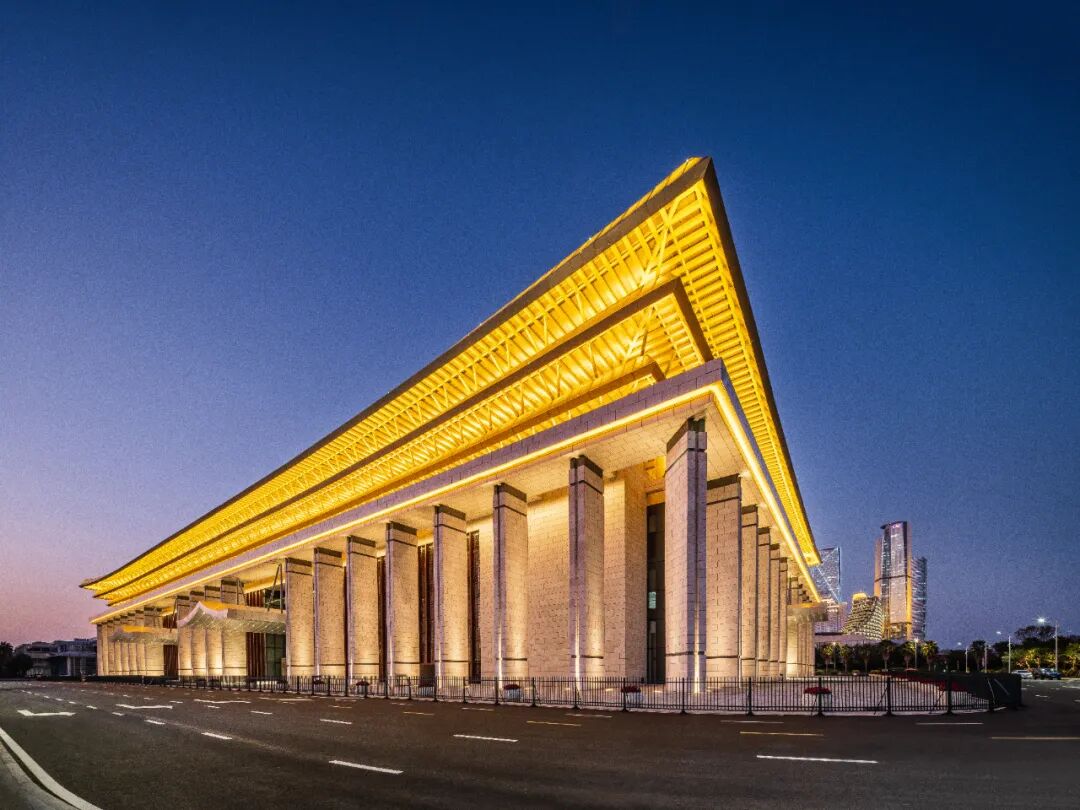
The venue serves as the long-term host site of the China Golden Rooster and Hundred Flowers Film Festival in Xiamen. Both the architectural form and interior spaces fully integrate Minnan (southern Fujian) cultural elements, such as special extended eaves and decorative window patterns. The exterior colonnade echoes the local qilou arcade architecture, achieving a balance between the lightness and openness of southern buildings and a sense of dignity. Spatially, the design carefully considers its relationship with the Xiamen International Conference and Exhibition Center and the International Conference Center, integrating residual urban spaces to create a more cohesive coastal urban frontage for the exhibition area. Functionally, it forms a diverse space centered on exhibitions, conferences, performances, and ceremonial events.
05 Guizhou Long March Cultural Digital Art Museum
Project Location: Shuanglong Airport Economic Zone, Nanming District, Guiyang, Guizhou Province
Concept Design: China IPPR International Engineering Co., Ltd.
Engineering Design: China IPPR International Engineering Co., Ltd.
Design Period: July 2020 – June 2021
Completion Time: October 2023
Total Building Area: 53,587 m2, including 34,702 m2 above ground and 18,885 m2 underground
Main Functions: Three promenade-style exhibition and performance halls, a 450-seat mechanical interactive theater, a 450-seat circular-screen cinema, a 128-seat flying cinema, and supporting facilities
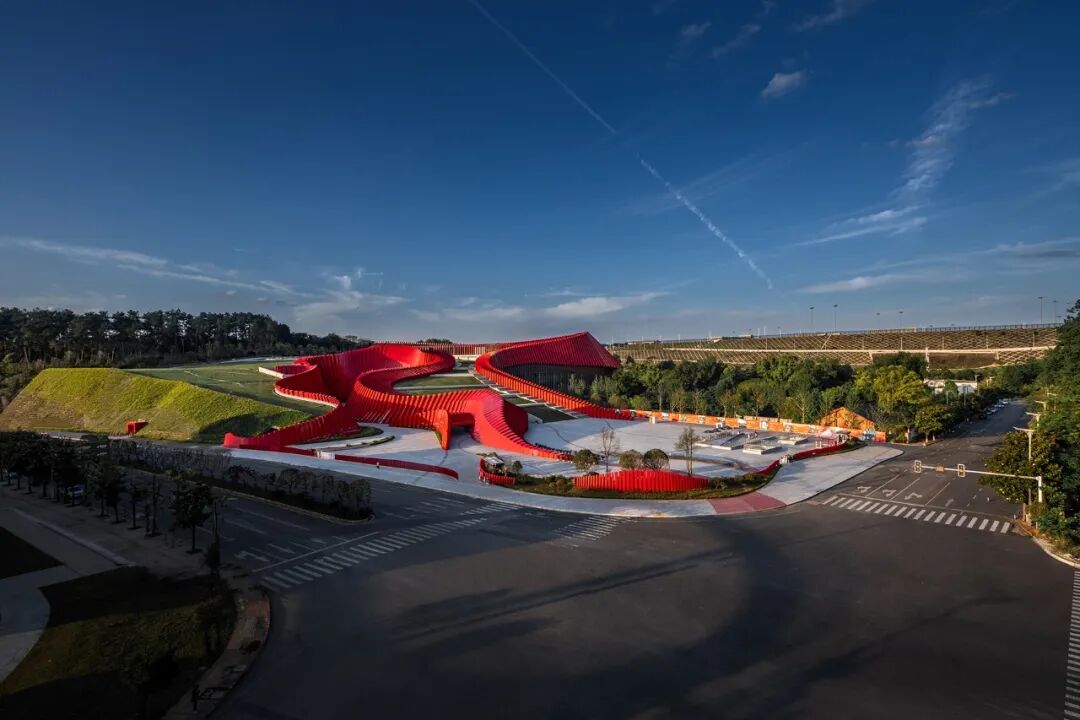
This project is the first fully immersive, Long-March themed digital experience venue in China, representing a new type of viewing and performance model—"pan-performing arts". It moves beyond the fixed, traditional modes of performance and exhibition spaces, making the audience "part of the experience", where the entire venue becomes a "fluid performance space". The design is centered around the spatial creation of core elements, achieving a seamless unity between architecture and storytelling. The passage leading into Spark Plaza creates a prelude to the experience and guides visitors from the bustle of the city into the thematic world of the Long March, evoking a powerful emotional response. The facade adopts iridescent red aluminum panels that reflect the changing colors of the sky and landscape over time, transforming red into a richer color that resonates more closely with the earth, sky, surrounding environment, and people. Contemporary materials are used to reinterpret the traditional theme, imbuing red with a sense of modernity. At the same time, the project, as a new Red Tourism model, aligns closely with the tourism offerings at the?"Colorful Guizhou"?experience?town, planning in advance the performance content, operational requirements, and venue scale.
06 "Enduring Memory of Shaoshan" Theater
Project Location: Shaoshan, Hunan Province
Concept Design: China IPPR International Engineering Co., Ltd.
Engineering Design: China IPPR International Engineering Co., Ltd.
Design Time: January 6, 2018
Completion Time: December 18, 2021
Total Building Area: 17,129 m2, including 13,119 m2 above ground and 4,010 m2 underground
Main Functions: A custom-built 1500-seat performance theater and supporting facilities
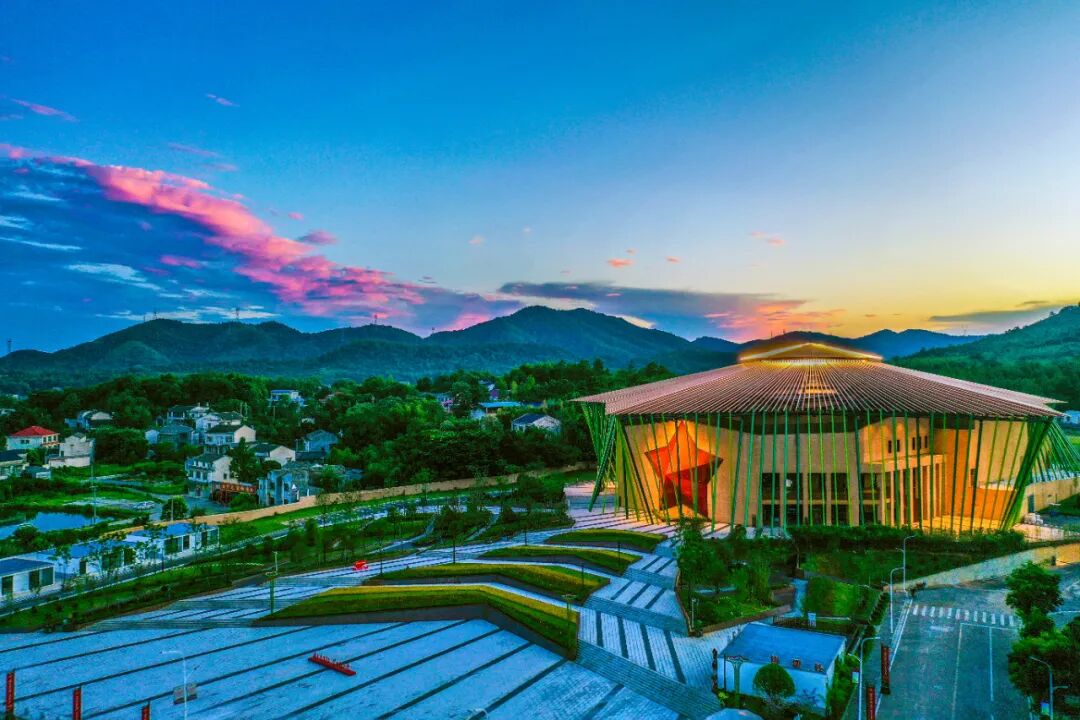
Designed according to the site environment and the urban fabric, the layout minimizes the perceived building mass and integrates with the surrounding mountains, showing respect for the regional cultural heritage and natural environment of Shaoshan. During the design, the architects and the director Zhang Yimou's production team closely collaborated on performance content, stage configuration, and architectural forms. The architecture draws inspiration from shining red stars, and unified elements were applied to the building and the site. The structure radiates outward from a central core, depicting Shaoshan as the cradle where a great leader was born and raised. This design approach also represents a new exploration and reinterpretation of the "red" theme in the context of a new era.
07 China National Opera House Theater
Project Location: No. 115 Dongzhong Street, Dongcheng District, Beijing
Concept Design: China IPPR International Engineering Co., Ltd.
Engineering Design: China IPPR International Engineering Co., Ltd.
Completion Time: 2022
Total Building Area: 41,192 m2, including 20,164 m2 above ground and 21,027 m2 underground
Main Functions: A 1,104-seat opera house and supporting facilities
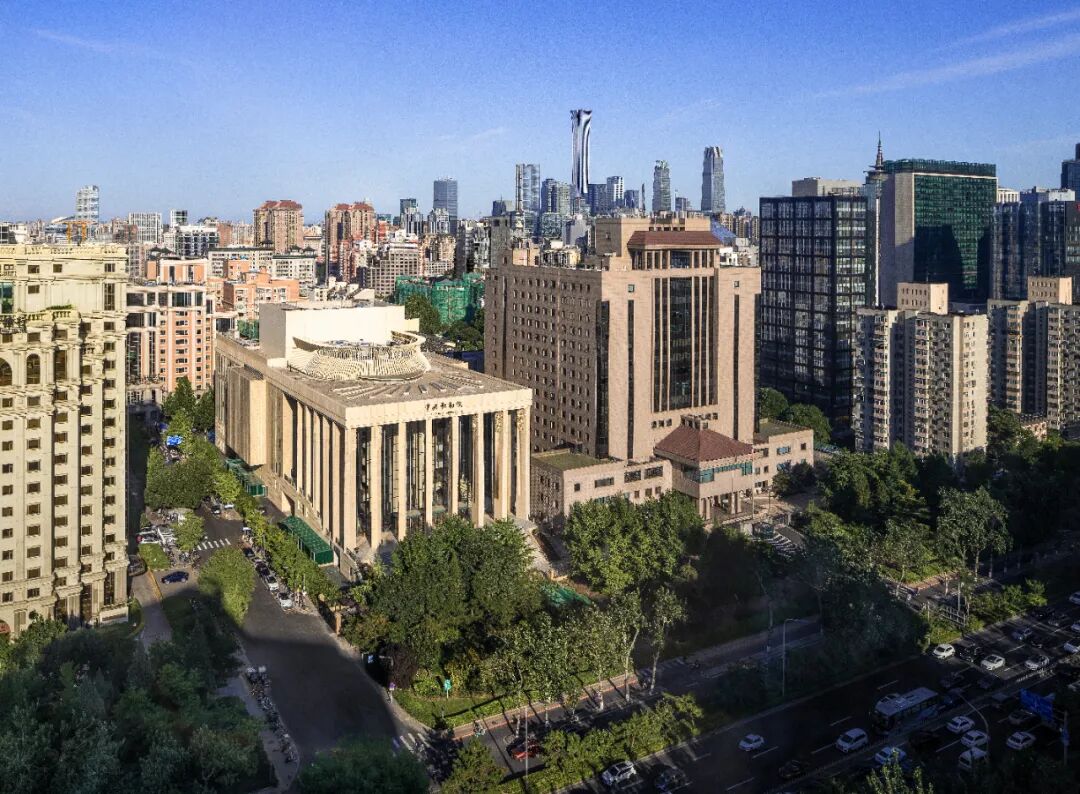
The newly built theater is a resident venue tailored to the China National Opera House, the country's premier opera company, dedicated primarily to opera performances. The architecture draws inspiration from the phoenix, a symbol widely recognized across Eastern and Western cultures. With the auditorium as the core, the design unfolds through radiating lines that spiral tangentially around its perimeter, expressing the idea of art emanating from within and extending outward to the city and society. The overall architecture is simple and square-shaped, with the main facade emphasizing a strong sense of public presence, ceremony, and theatricality. Panel-style columns unfold in alignment with the spread of phoenix wings, breaking away from the rigid traditional column systems. Classical Greek silhouettes are carved on their surfaces, symbolizing the origins of opera. Through deconstruction and reconstruction, the project employs contemporary design language and materials to express a modern vision rooted in respect for the world's cultural heritage.
With over twenty years of dedicated practice, IPPR has remained steadfast in its mission and delivered a series of landmark works, which represent the leapfrog development of China's performance architecture from catching up to leading, from function to culture, and from technology to art. From the Mei Lanfang Grand Theater, which embodies traditional culture, to the Shennong Grand Theater, which pushes the limits of technology, and the China National Opera House Theater, which reflects cultural confidence, each project stands as a precise response to the demands of its time and a bold expansion of industry boundaries. Standing at the new starting point of the "15th Five-Year Plan", IPPR will uphold the principles of innovation-driven development, cultural empowerment, and quality first. By deeply integrating cutting-edge technologies with regional culture, and focusing on the digitalization, sustainability, and human-centered upgrades of performance architecture, the company aims to lay a solid architectural foundation for the advancement of China's cultural sector. It will present to the world more exemplary performance buildings that?reflect the spirit, identity, and excellence of IPPR, helping?forge a culturally strong nation.