

Recently, the Academic Exchange Conference on Fire Safety and Resilient Development of Rail Transit and Underground Space concluded successfully in Guangzhou. The conference was guided by the China Engineering & Consulting Association (CECA) and jointly organized by IPPR, the supporting unit of the CECA Fire Protection Engineering Subcommittee, and the Rail Transit Subcommittee.
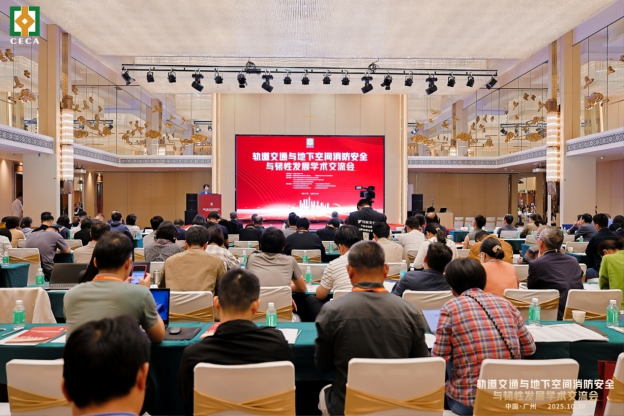
More than 180 leading experts, scholars, and representatives from design institutes across the country attended the event. Centered on the theme "Upholding the Principle of Life First and Empowering the High-Quality Development of Fire Safety and Resilience Technologies", participants discussed technical issues related to fire safety and resilient development in rail transit and underground spaces.
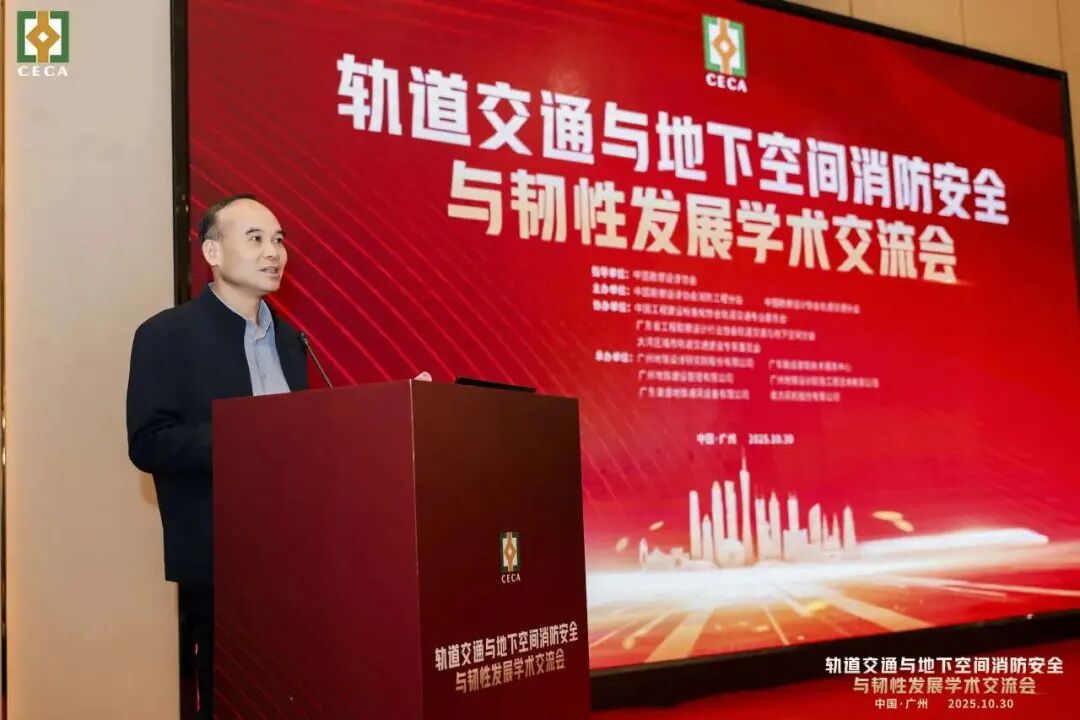
Among the distinguished attendees were Wang Ziniu, Vice President of CECA; Zeng Xianchuan, President of the Guangdong Engineering Exploration & Design Association; Ma Chao, Vice President and Secretary-General of the CECA Fire Protection Engineering Subcommittee and Deputy General Manager of IPPR; Wang Hui, Deputy General Manager of Guangzhou Metro Group Co., Ltd.; and Huang Xiaojia, National Master of Engineering Survey and Design, President of the CECA Fire Protection Engineering Subcommittee, and Chief Engineer of IPPR. The conference was chaired by Nong Xingzhong, Guangdong Provincial Master of Engineering Survey and Design and Chief Engineer of Guangzhou Metro Design & Research Institute Co., Ltd.
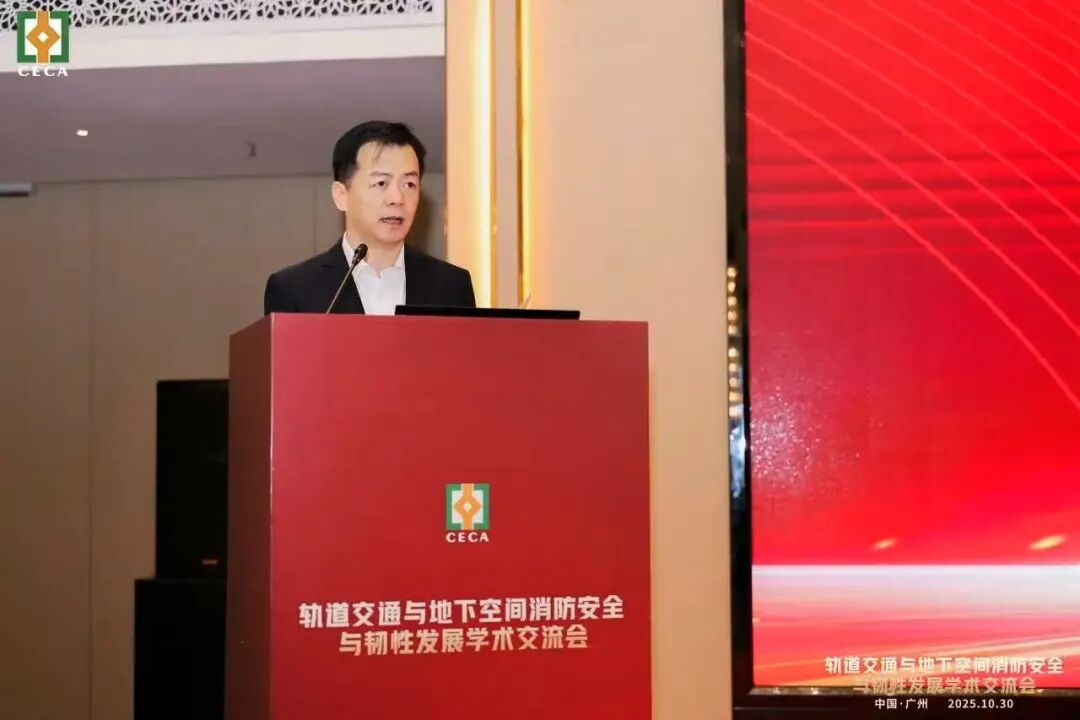
In his remarks, Wang Hui noted that as urban rail transit networks become increasingly dense, fire safety and resilient development are facing serious challenges. Drawing on practical experience, he pointed out that current fire protection standards lag behind and lack consistency. He also shared Guangzhou Metro's experience in special fire protection design, property development at vehicle depots, and the development of smart operation and maintenance platforms for tunnels. He called for joint industry efforts to explore more scientific and efficient solutions, improve standards and advance high-quality industrial development, and build a robust and reliable safety barrier for urban underground spaces.
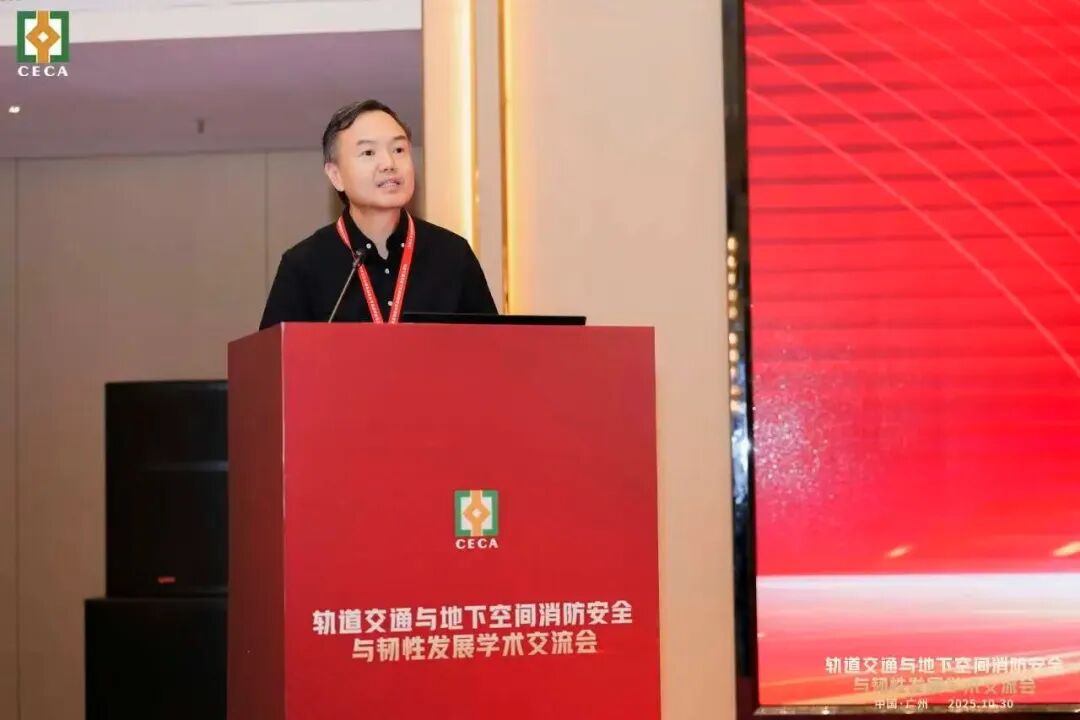
Zeng Xianchuan emphasized that the convening of this academic exchange conference was both timely and necessary. The industry urgently needs to promote a transformation in mindset, from reactive response to forward-looking resilience-centered capability building. Through advanced approaches such as performance-based fire protection design, intelligent evacuation, and multi-hazard coupling analysis, a full-lifecycle safety and resilience framework can be established. He expressed the hope that the conference would help build consensus, spark innovation, and inject wisdom into the development of safe and resilient rail transit and underground spaces in China.
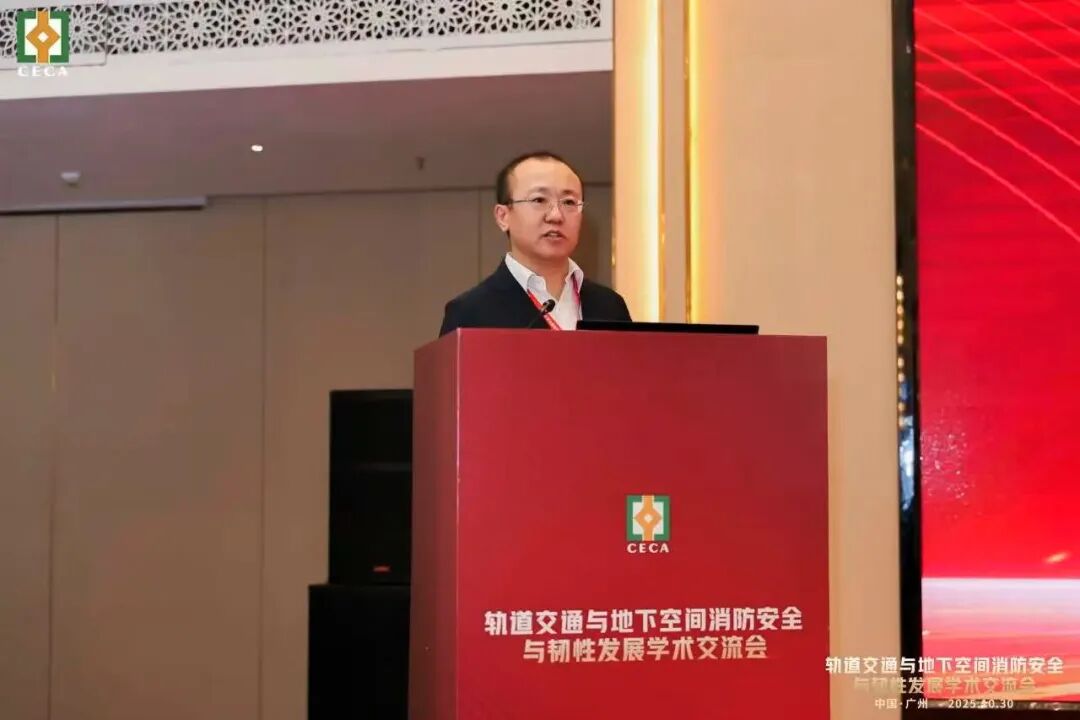
Ma Chao pointed out that while underground space plays a crucial role, it also represents a vulnerable point in terms of safety and resilience. The entire industry therefore needs to conduct in-depth research on new technologies for enhancing the safety and resilience of urban underground spaces, actively explore new approaches to disaster-prevention systems, and work to overcome various bottlenecks in industrial development, thus safeguarding the bottom line of safety and laying a solid foundation for high-quality development of the sector. He also expressed his expectation that the valuable insights of the attending experts would further drive the industry's high-quality growth.
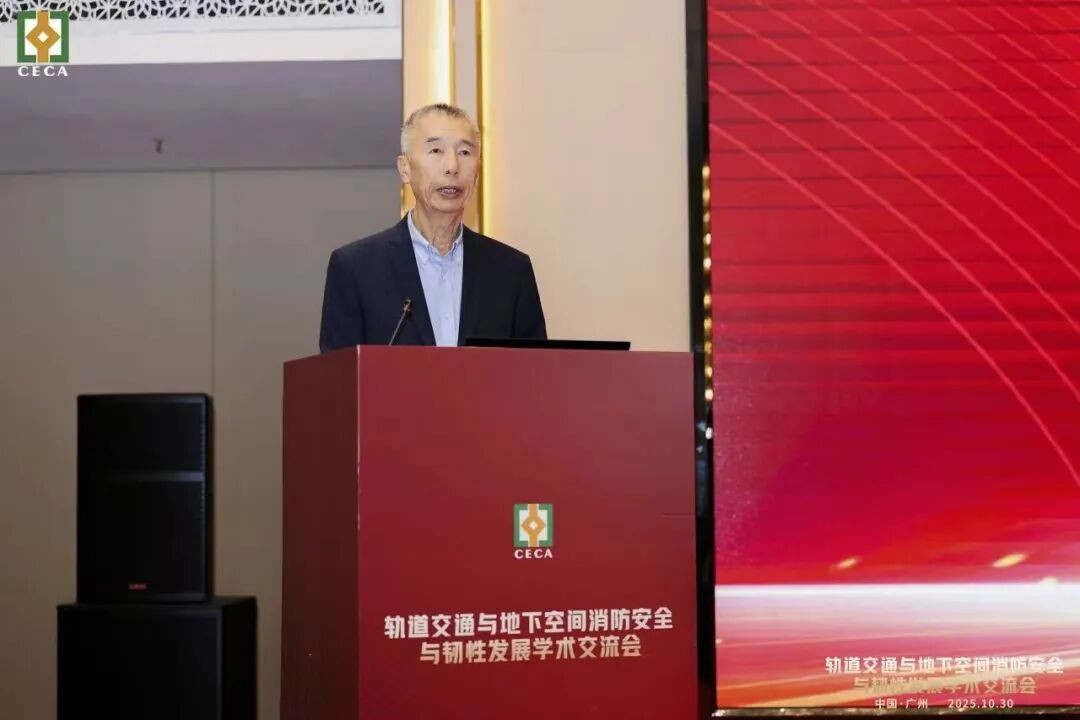
Wang Ziniu noted that the Association should fully leverage its platform and multidisciplinary resource advantages to guide the industry in cultivating new quality productive forces based on integrity and innovation, and jointly respond to the challenges of the "second half" of urbanization. First, the positioning of design work should be elevated, adhering to a people-centered approach and integrating the concepts of safety and resilience into the overall agenda of high-quality urban development. Second, it should uphold integrity and innovation, fostering new quality productive forces through technological, managerial, digital, and business-model innovation, thereby strengthening service capabilities of the sector. Third, the Association should capitalize on its multidisciplinary strengths to enhance standards development, talent cultivation, and industry exchanges, forming a synergistic force to drive industry progress. In closing, he called on the entire sector to strengthen conviction and work together to contribute to the building of modern, people-centered cities.
During the conference, multiple experts and leaders delivered keynote speeches. Among them, Huang Xiaojia elaborated on the theory of three-dimensional dynamic fire risk and the characteristics of risk levels in metro fires, and proposed a series of targeted fire-safety measures. These insights provide important theoretical guidance and practical solutions for comprehensively improving fire safety management in rail transit systems.
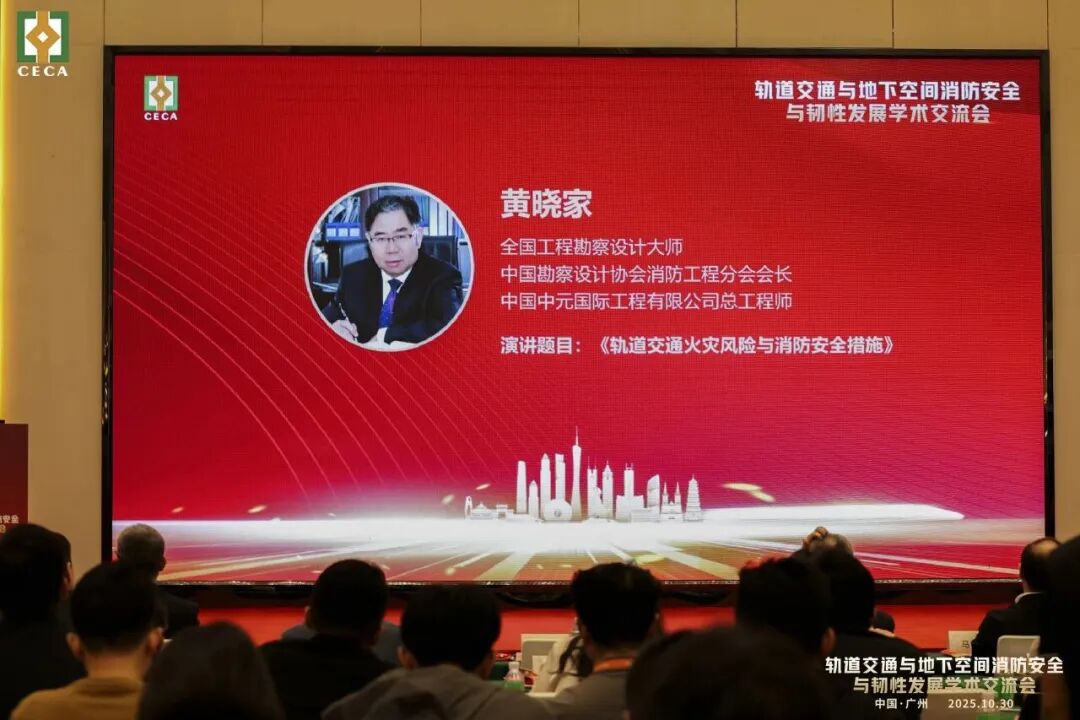
▲ Huang Xiaojia, National Master of Engineering Survey and Design
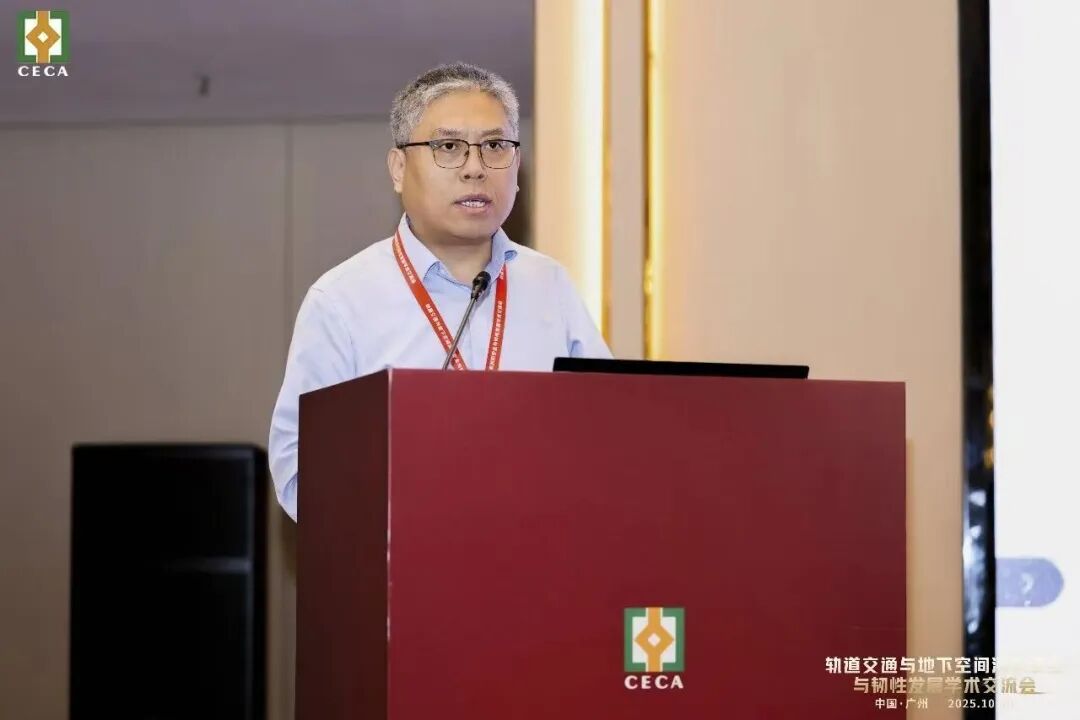
▲ Yu Songwei, National Master of Engineering Survey and Design; Vice President of the CECA Fire Protection Engineering Subcommittee; and Consulting Chief Engineer of Beijing Urban Construction Design & Development Group Co., Ltd.
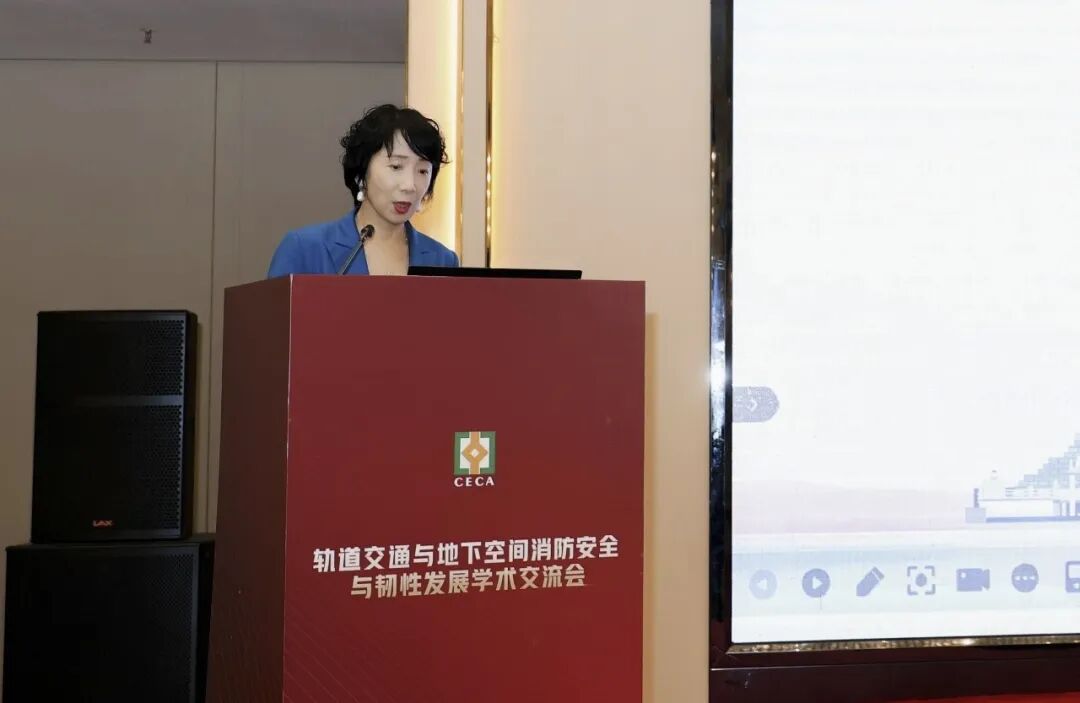
▲ Tan Wen, Deputy General Manager of Guangzhou Metro Group Co., Ltd.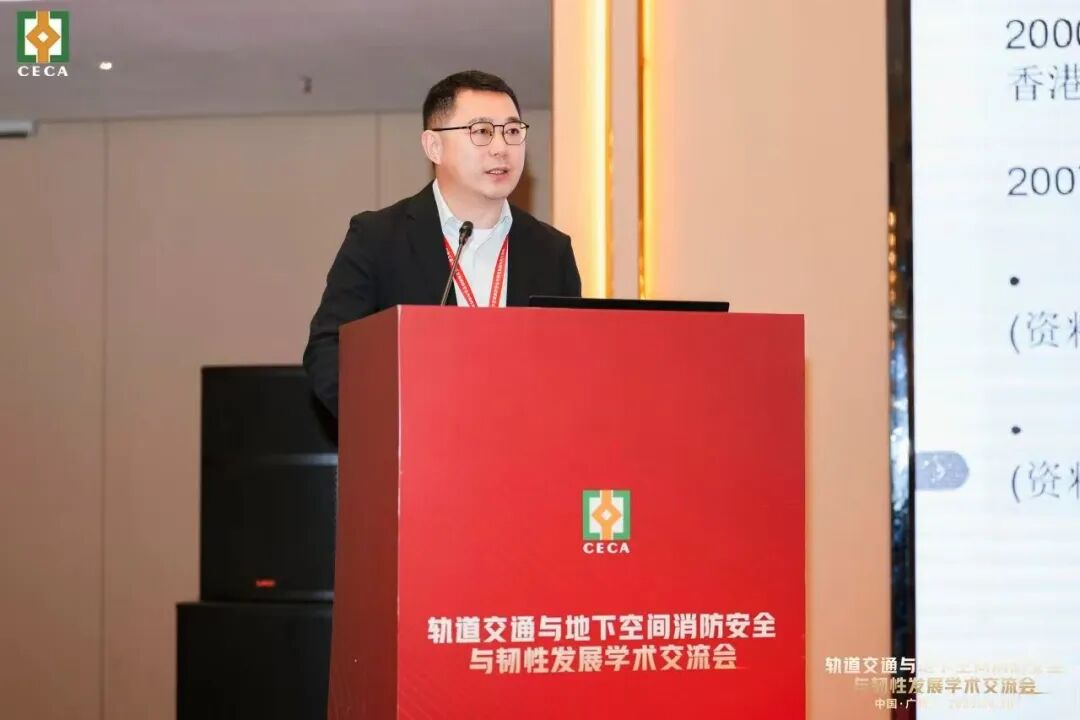
▲ Bao Feng, Deputy General Manager for Mainland China Business Development, MTR Corporation Limited
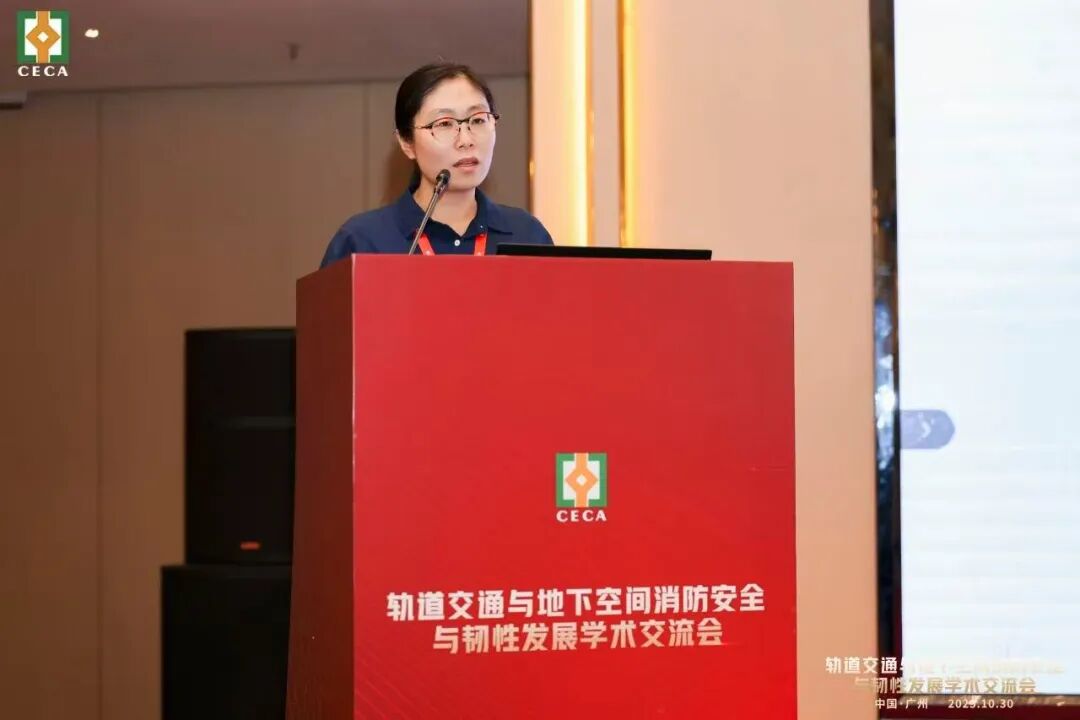
▲ Hao Ailing, Deputy Director of the Second Research Division, Tianjin Fire Research Institute of Ministry of Emergency Management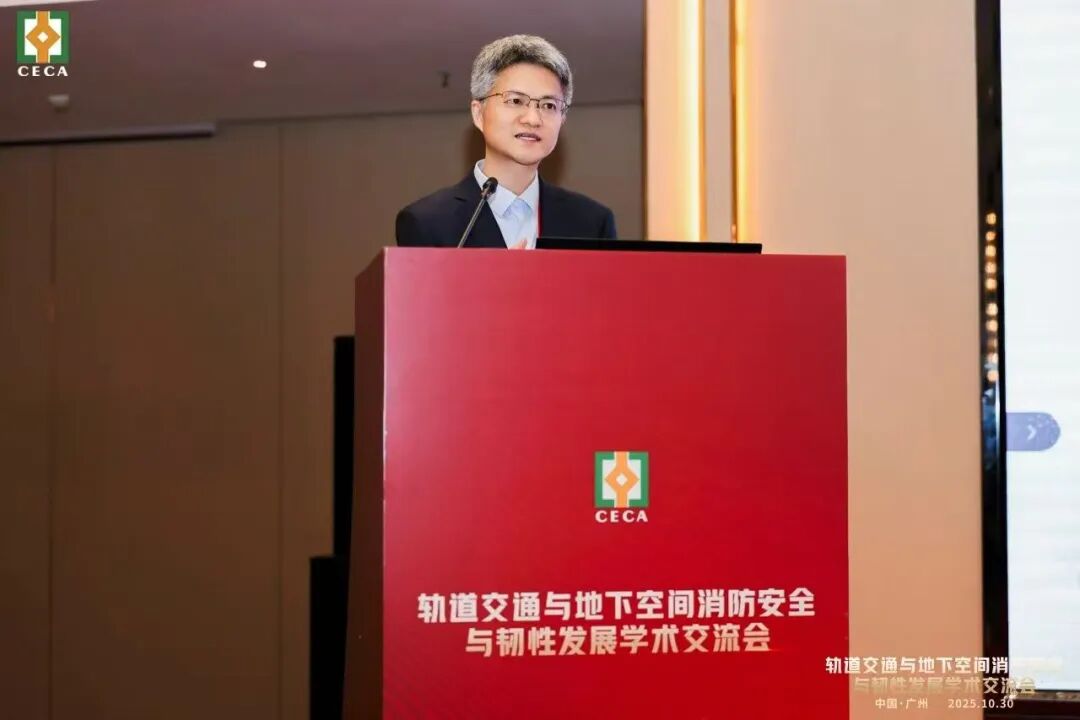
▲ Luo Hui, Professional Chief Engineer, Guangzhou Metro Design & Research Institute Co., Ltd.
The successful convening of the conference not only provided a high-level platform for industry exchange, built broad consensus, but also clarified the future direction of technological development. By focusing on fire safety and resilient development, the event injected new momentum into improving the safety and resilience of urban underground spaces in China, with a positive and far-reaching impact on promoting sustainable urban development. Participants noted that they would take this conference as an opportunity to strengthen collaboration and innovation, and jointly advance the industry toward a safer and higher-quality future.