
Recently, IPPR's hospital building and urban renewal design initiatives secured two international accolades:
Chengdu Aerotropolis Asia Heart Hospital Project — Gold Winner, 2025 MUSE Design Awards
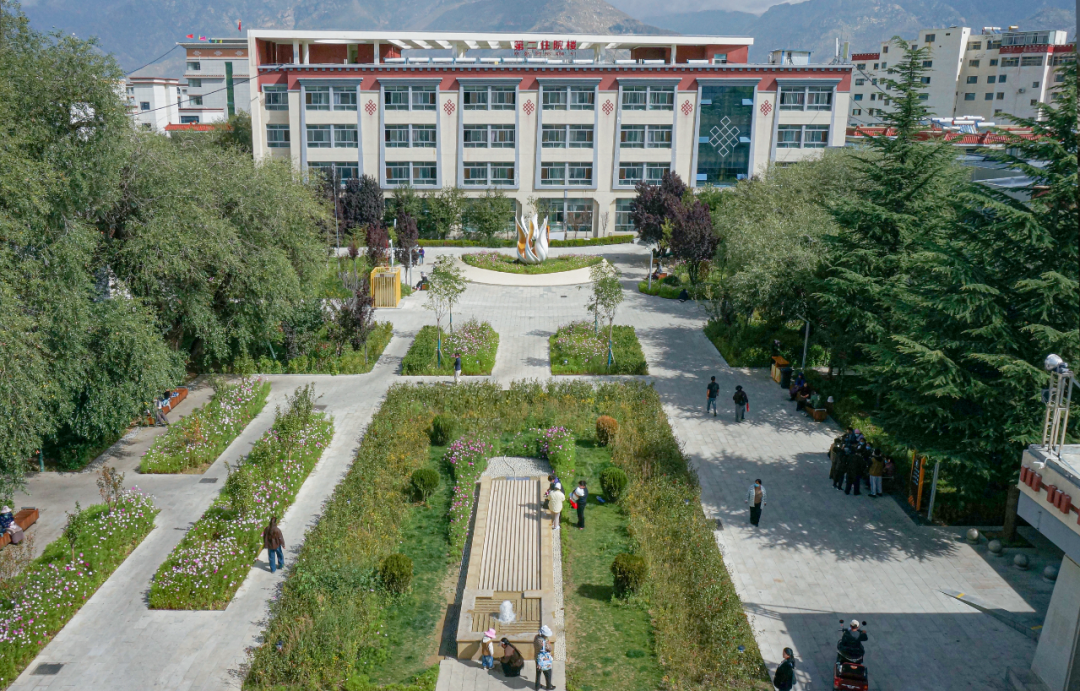
Lhasa People's Hospital Landscape Renovation Project — Silver Award, International Award for Sustainable Urban Regeneration (IASUR)
These honors fully demonstrate IPPR's deep expertise and innovative strength in healthcare architecture and sustainable urban regeneration, further enhancing the brand's global influence.
Gold Winner, 2025 MUSE Design Awards
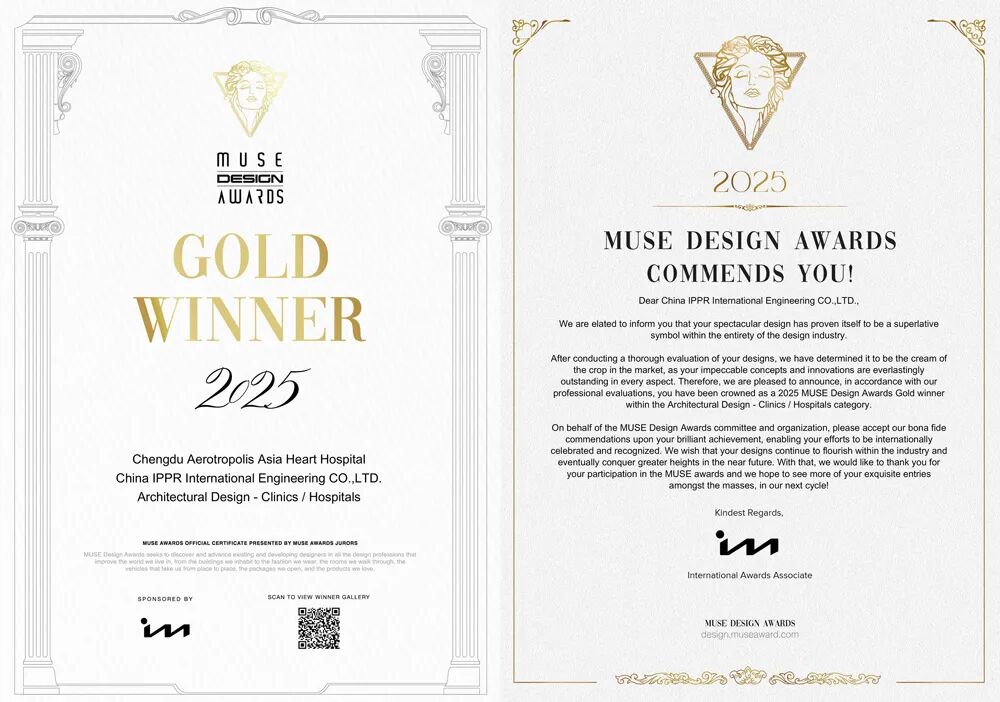
The Chengdu Aerotropolis Asia Heart Hospital, independently designed by IPPR, received the Gold Winner in the Clinics / Hospitals architecture category. This marks IPPR Healthcare's first recognition of this international award, highlighting the firm's design capabilities in medical architecture and its outstanding competitiveness on the global stage.
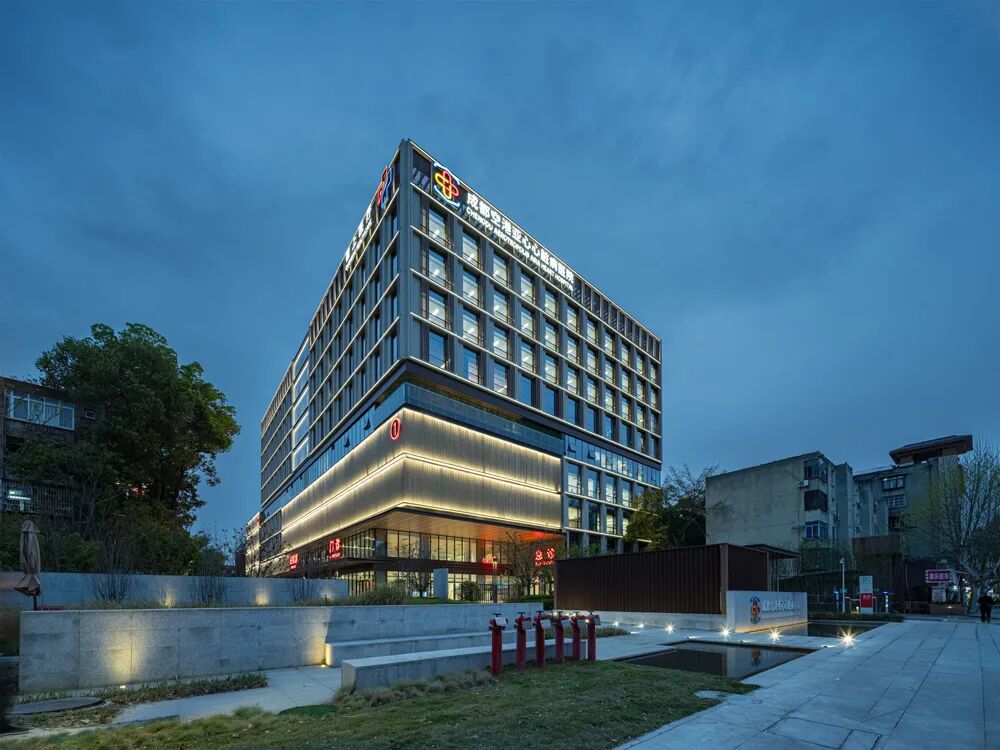
As a model of urban regeneration based on an existing city fabric, the Chengdu Aerotropolis Asia Heart Hospital provides the Shuangliu District with a brand new medical and social facility despite spatial, parking, and height constraints. The design emphasizes flexible, ecological, and efficient site utilization, revitalizing the urban fabric through a contemporary facade design?while preserving the historical character of Shuangliu's old town. Healthcare architecture in old cities should serve as a "spatial adhesive", integrating functional requirements with cultural memory.
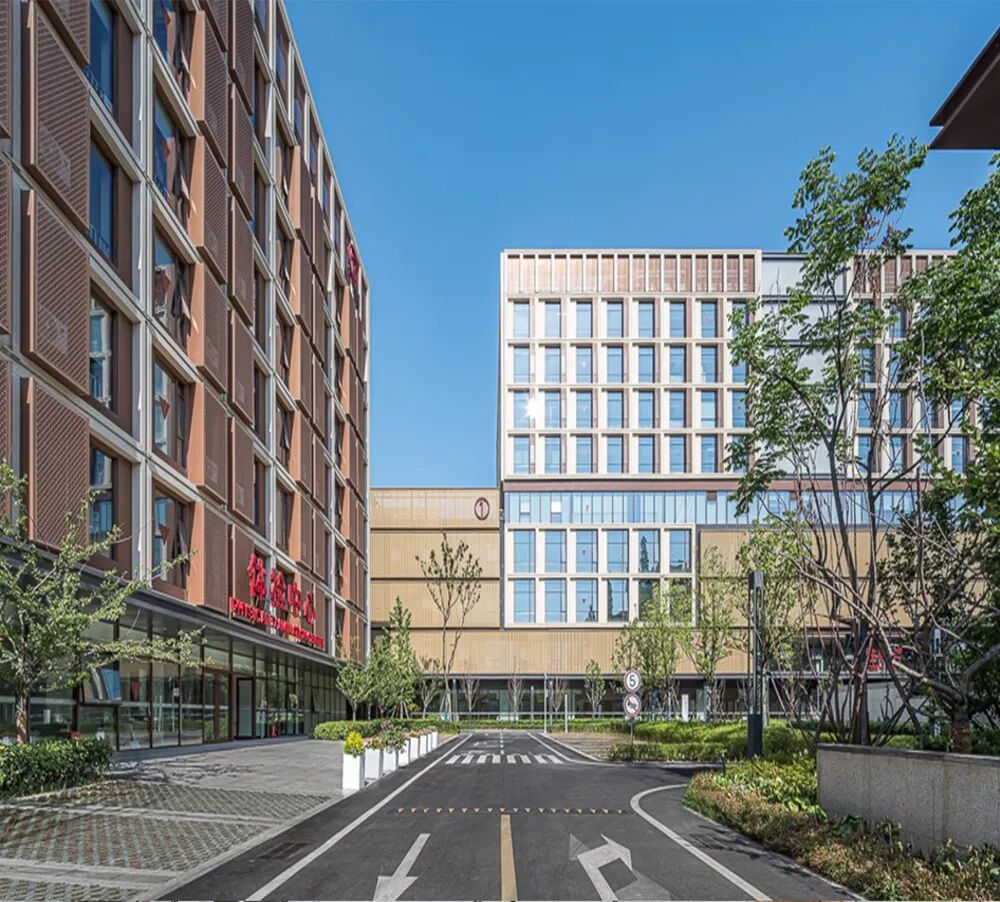
The design adopts five spatial strategies and leverages integrated architectural design to establish a replicable reference model for hospital renovation and expansion in old urban districts.
Spatial Stitching — Applying a compact vertical stacking concept, the design elegantly resolves the challenges of high-density medical spaces. The square-in-a-square topology allows nursing units to closely encircle a central atrium, maximizing the use of limited site.
Traffic Alleviation — A hierarchical and efficient traffic network systematically addresses congestion around the hospital. Unidirectional micro-loops, dual-level drop-off areas, and an intelligent underground garage effectively manage vehicle flow, while refined block micro-circulation designs weave the city's slow-mobility network, creating an orderly integration of traffic and ecology.
Interface Penetration — Transforming passive spaces into active urban fabric, the design emphasizes "openness, simplicity, and permeability" as its core principles. It refines the micro-space layout and redefines the logic of facade permeability, synergizing precision-perforated aluminum panels and dynamic U-glass curtain walls to reduce the visual mass of the building. Through an architectural language that balances solid and void, it highlights a nuanced contrast between its materiality and volume.
Healing Living Room — A north-south axis connects street squares with tranquil gardens, softening boundaries and diminishing the visual presence of walls, thus transforming the area into a vibrant community hub. The aerial living room is filled with sunlight and greenery, embodying the concept of a non-medicalized urban lounge, enhancing the patient experience within a compact but refined medical environment.
Symbiotic Integration — Historical urban fabric and contemporary architecture are skillfully interwoven, creating a harmonious dialogue. Precisely prefabricated modular facades empower rapid construction, while embedded functional units and carefully crafted windows integrate seamlessly, forging a sustainable paradigm for organic hospital renewal in old urban areas.
International Award for Sustainable Urban Regeneration, IASUR
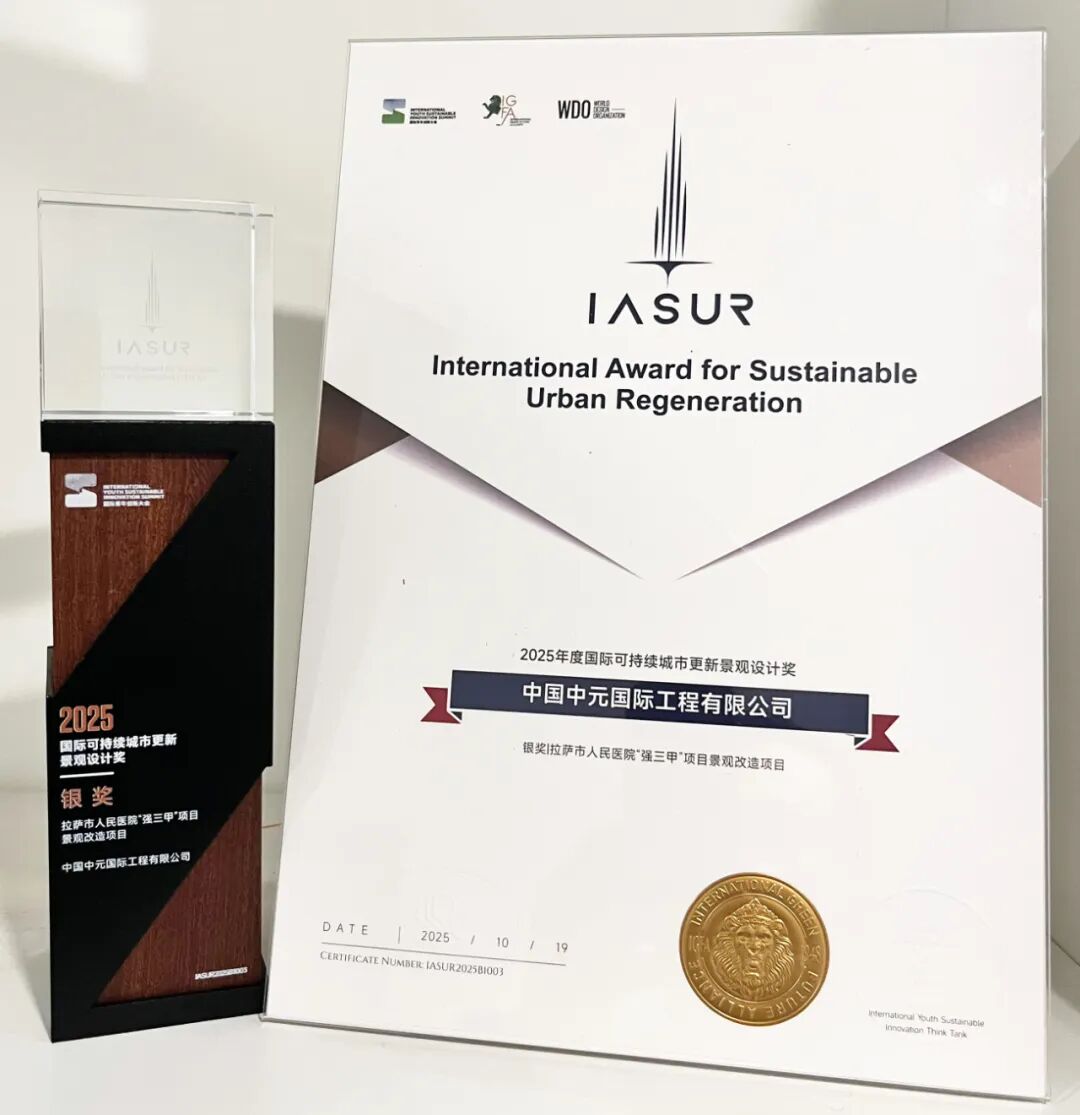
The "Lhasa People's Hospital 'Advanced Tier-III' Comprehensive Landscape Renovation Project", designed by IPPR, received the Silver Award, International Award for Sustainable Urban Regeneration (IASUR). Grounded in the high-altitude environment and the unique cultural characteristics of Lhasa, the project leverages IPPR's expertise in healthcare design. With the goals of "distinctive character, regional benchmark, and public well-being", it delivers a heartwarming, unique, and widely appreciated urban renewal project to the local community.
In its design, the project respects local culture and fully considers the hospital's existing conditions. Through optimized site planning, it creates a shared green leisure and therapeutic plaza. The enhanced landscape environment not only offers medical staff a green space to relieve stress and connect with nature, but also provides patients with a healing garden that supports natural recovery and soothes the mind. The landscape elements incorporate Lhasa's iconic "Gesang flowers", forming a distinctive cultural and spiritual space.
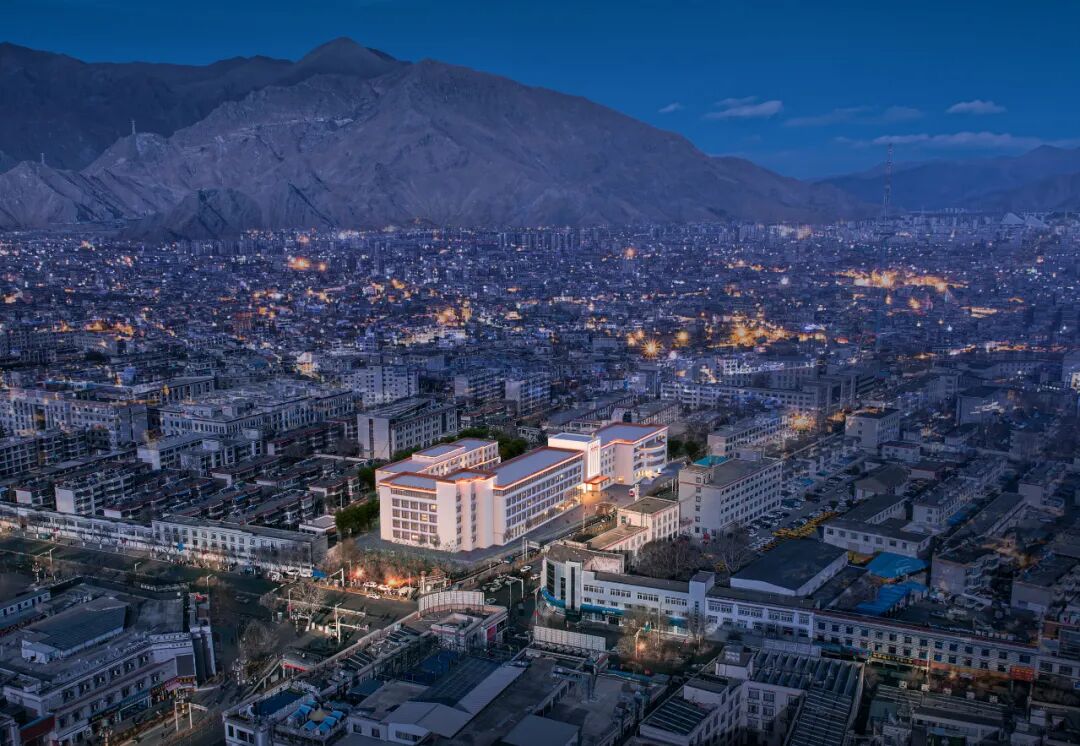
The successful completion of the project elevates the overall environmental quality of Lhasa People's Hospital to a new level. Its regionally inspired architectural facades and naturally therapeutic landscape spaces will establish a reference and replicable model for healthcare landscape construction in high-altitude regions. This marks Lhasa's first hospital renovation project that features a "dual-character" approach, combining both therapeutic landscape qualities and cultural landscape elements.